The TV Access Project (TAP) and Pact have partnered to share practical examples of inclusive production, highlighting how producers can better support Deaf, Disabled and/or neurodivergent talent and crew across the television industry.
Featuring productions from TAP’s broadcaster and streamer members, the case studies offer practical insight into how production teams have approached accessibility, the barriers they removed, and the adjustments they have made to ensure Deaf, Disabled and/or neurodivergent people can participate fully, both on and off screen. They also highlight the achievements of TAP, and resources available from its members – including the 5As and use of an Access Funding Request to fund access requirements on production.
The four case studies explore a range of genres and production environments:
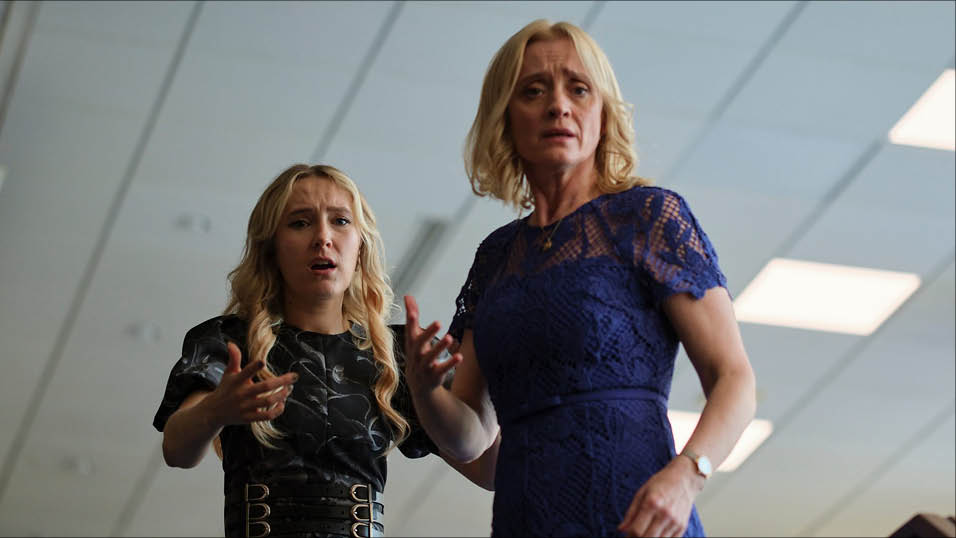
- Reunion (BBC) Produced by Warp Films, the 2025 drama was told through British Sign Language (BSL) and spoken English, with Deaf experience at its heart. The case study explores how the production embedded Deaf awareness, employed Deaf crew, worked with interpreters and ensured that accessibility was considered throughout the production process.
- Shark! Celebrity Infested Waters (ITV) Produced by Plimsoll Productions, the series followed a group of celebrities, including wheelchair user Ade Adepitan, on an adventure in the Bahamas. The case study highlights the importance of planning for access from the outset, working collaboratively with Disabled talent and making practical adjustments to enable full participation.
- Sky Arts Awards (Sky Arts) Produced by Drum Studios, this large-scale live awards production demonstrates how accessibility can be embedded into complex productions involving more than 150 crew members, performers and audience members. The case study explores the role of an Access Coordinator, accessible communications and anticipating access requirements at every stage.
- Rosie Jones’s Disability Comedy Extravaganza (UKTV) Produced by Phil McIntyre Television, the comedy showcase celebrates Disabled comedians and has helped create opportunities for emerging talent. The case study examines accessible venues, the role of Access Coordinators, audience accessibility and the importance of creating an inclusive working environment.
Eli Beaton, Project Lead at the TV Access Project said: “Sharing practical examples of good practice is one of the most important ways we can help the industry move forward. We know that many producers want to make their productions more accessible but aren’t always sure where to start, what adjustments are possible or how to navigate the process.
“These case studies demonstrate what can be achieved when accessibility is considered from the outset, when Disabled people are involved in shaping decisions, and when productions are properly supported to deliver inclusive working environments. We hope they give producers the confidence, knowledge and practical inspiration to take these approaches into their own productions.”
Anjani Patel, Head of Skills, Inclusion and Diversity at Pact said “Production companies want to create environments where everyone can contribute and succeed, but many are looking for practical guidance on how to do this effectively. These case studies offer real-world examples of the adjustments and support that have enabled Deaf, Disabled and/or neurodivergent talent and crew to participate fully in production. We are delighted to work with the TV Access Project to share this learning and help make inclusive production standard practice across the industry.”
Jon Creamer
Share this story