Performers union, Equity, has secured collective AI protections for performers in UK film and television.
The agreement covers protections for artists over their digital likeness alongside safeguards that “prioritise human creativity in the industry.”
The AI protections are part of a wider agreement struck between Equity and PACT, which covers pay and conditions for featured artists and stunts.
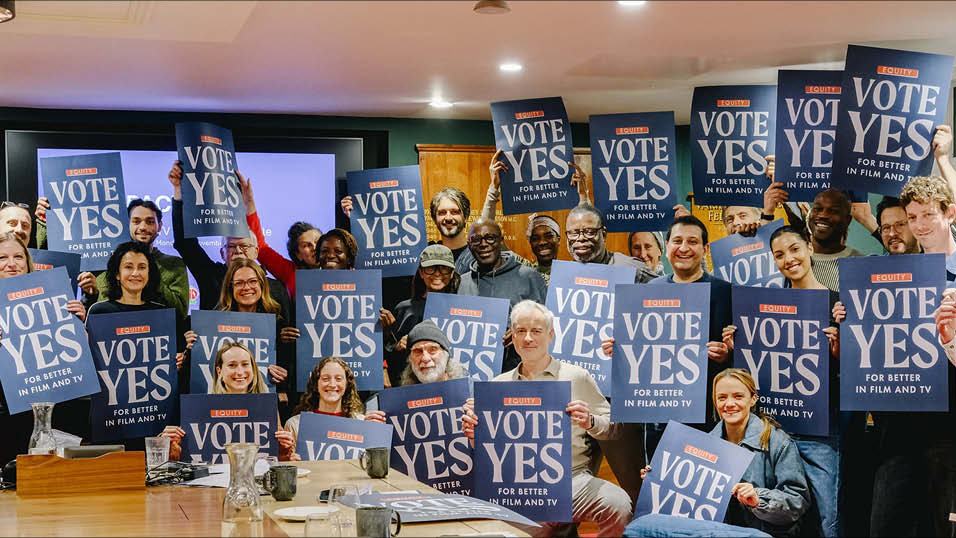
Almost 8,000 Equity members will now vote on the three-year offer, which also includes a 24% increase in pay rates for the biggest films, and 9% increase for TV, plus increases to other payments. The online ballot opens today, Monday 16 November, and closes at 12noon on Monday 30 November. Equity is recommending that members vote yes to accept the offer.
The new agreement includes a raft of rights and protections, from casting and auditions, to shoot and post production. Many are codified in an enforceable agreement for the first time ever, such as a minimum 72-hour notice period for self-tapes, a commitment to cast disabled artists in disabled roles. There is a new contractual obligation for Producers to provide artists of all ethnicities and cultures with adequate hair and make-up provision. The introduction of bullying and harassment principles will commit to safe casting and audition spaces, with training and reporting on sexual harassment and other workplace safety issues. For the first time ever, sustainability provisions are included in contracts, adopting a Green Rider to help improve the environmental impact of film and TV.
Equity general secretary Paul W Fleming said: “We set about to radically improve and modernise the terms and conditions for performers across UK TV and film. The result is groundbreaking. We’ve achieved the best AI provisions in the business – protecting performers and ensuring that human performance is valued and prioritised across the industry.
“This deal includes pay increases across the board, with fees on the biggest productions better reflecting blockbuster budgets, while working with lower-budget producers to deliver increases and improvements. Meaningful reductions in use periods means performers will receive secondary payments sooner, sharing in the success when shows are sold on or continue to be watched years after their first release.
“Equity members told us they were fed up with excessive asks on self-tapes. With this new agreement, casting directors will have to give a minimum of 72 hours’ notice, with a maximum of six pages and no requirements for readers, providing a respectful brief to professional performers who are often balancing portfolio careers and caring responsibilities alongside auditioning for roles.
“At the heart of the package are improved provisions on dignity at work. All performers should expect professional and appropriate hair and make-up provisions, and can now point to the provisions requiring them, paying attention to ethnicity and cultural heritage. Disabled artists should be cast in disabled roles, and our new agreement sets this out for the first time. Of significant importance is updated processes and language to give artists better protections and recourse against bullying, sexual harassment or other workplace issues.
“The democratisation of Equity’s negotiating process means this is the first time that all featured artists and stunts get a vote on these new terms. Equity members were fundamental in shaping the claim, voting for potential industrial action to achieve it, and are now able to give the final say on whether to accept these new and improved working conditions.”
Jon Creamer
Share this story