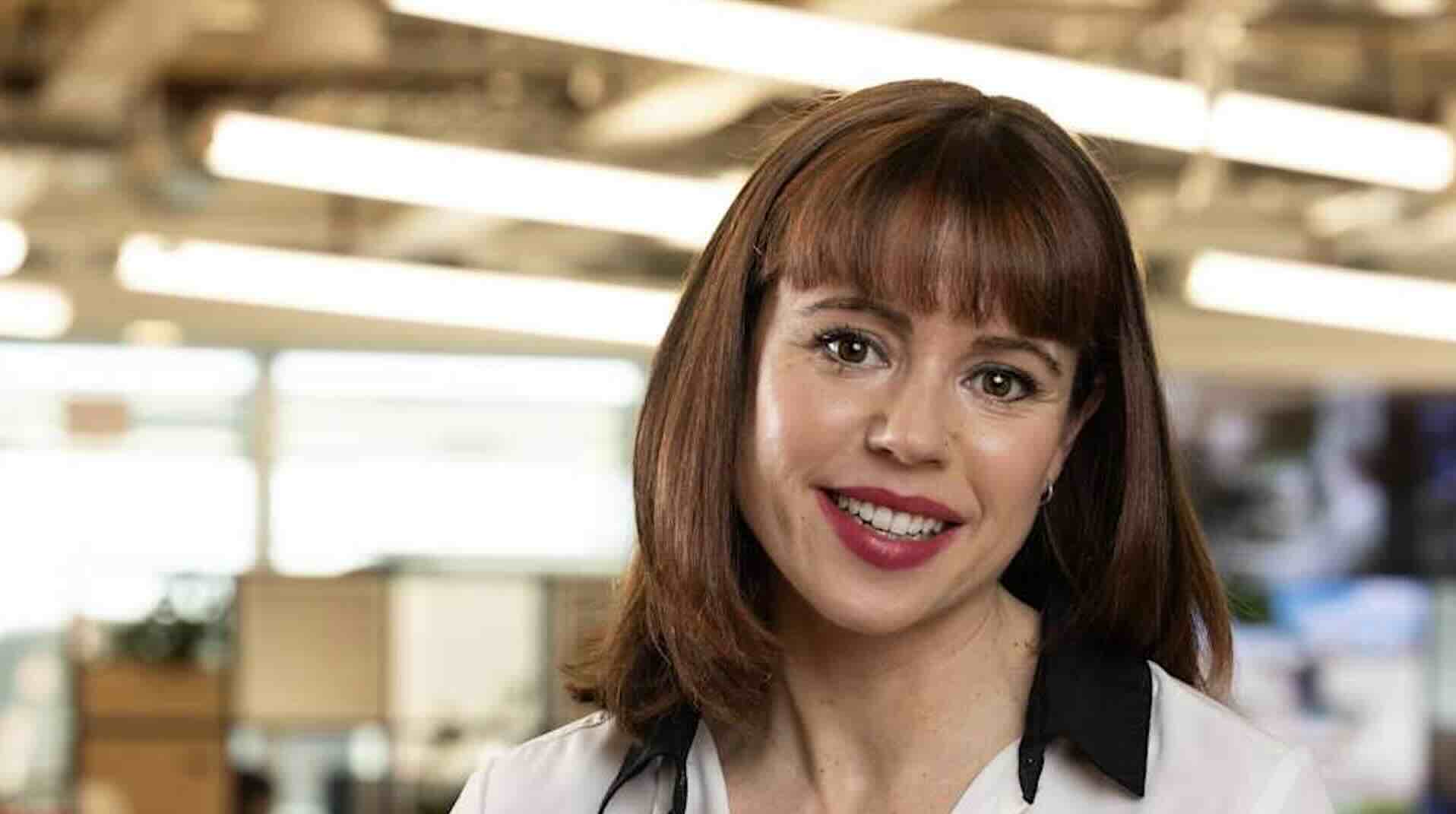
Helen Perry is head of drama at UKTV. She spoke with Televisual for its annual drama report.
At the end of her second year in the role and after year that included the reboot of Bergerac from BlackLight TV, Mark Gatiss’ Bookish and the debut of Mitford sisters drama Outrageous, from Firebird Pictures, Helen Perry reflects on how the broadcaster is evolving its drama slate and what kinds of stories she’s looking for next.
“The blessing is that UKTV has such ambition to make a mark in drama,” says Perry. “It’s been an absolute gift to go straight out of the gate with big, noisy commissions.”
The mission is not just to satisfy loyal linear audiences but to broaden UKTV’s reach as it becomes increasingly digital-first. “We’re constantly thinking about how we stretch, where we reach new audiences, and how we can expand the breadth of our dramatic offering,” she says. “It’s about finding space in the ecosystem that other broadcasters aren’t occupying.”
Perry is clear that not every show needs to land in the same way. “Some have landed really well critically, some through ratings, and some reputationally,” she explains. Outrageous, for instance, delivered a standout cultural moment. “We had Bessie Carter on the cover of Tatler” and a surge of interest from industry peers. Meanwhile, the recommission of Bergerac is a more classic, ratings-driven highlight.
“We’re testing, learning and seeing what lands,” she says. “There are lots of different kinds of wins.”
Most recently Bookish, from Mark Gatiss and produced by Eagle Eye, which has already been recommissioned.

Bergerac
What UKTV wants next
One of Perry’s strongest calls to producers is for drama that brings joy. “There’s a real lack of joy,” she says. “Cosy crime has played really well, but I don’t think that’s the only type of show that can offer escapism and hope.”
She’s open to procedural-adjacent formats – legal, medical, workplace, romance-driven – so long as they have “a propulsive motor” and “character-led storytelling that leaves you feeling lighter.”
And crucially: “I’d like more shows that don’t have dead bodies at all.”
When pressed for shows that she admires, Perry cites Rivals, Last Tango in Halifax, The Split, and dramas like Cutting It or Clocking Off. Kay Mellor’s work is top of mind. “Those shows offered a plethora of different stories that came down to friendship and human bonds. I feel like we’re missing that at the moment.”
She’s also interested in innovative narrative structures, mentioning Adolescence with its one-take approach. She refers to The Slap, where there was a “baton pass.” She has a show in development where it switches POV between the two protagonists.
While wit and humour are front and centre, comedy-drama isn’t yet on the agenda.
Domestic thrillers – psychological or psychosexual – are off the menu. “They’re full of quite posh people in posh kitchens, grappling with problems. There’s always a big kitchen island, a glass of wine. There’s lots of that about, and I’m carving out a separate space.”
With UKTV’s shift to digital-first, old rules about episodic structure have loosened. “The mantra we used to have about episodic story-telling and story of the week has gone out of the window,” Perry says. While she dubs six-part bingeable box sets as “delicious.” But UKTV is open to four-parters, close-ended episodes with an overarching serial arc. “We’re open to all shapes.”
“We’re not focused solely on returners anymore,” Perry explains. “We need to have space for the new shiny things.”
Drama for U&Dave
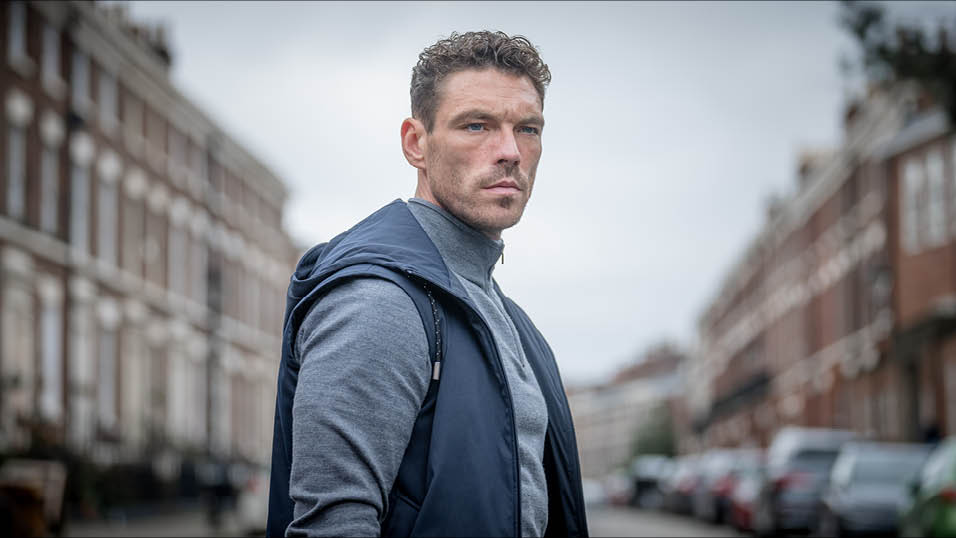
For its first original drama on UKTV channel U&Dave, “one of the things that we were certain of was that we didn’t want to do comedy drama, per se. We’ve had a history of comedy on the channel, and this was a marker of doing something different.” Hit Point from creator Howard Overman’s indie Urban Myth Films is one of the big launches coming to Dave—an “anti-cop action thriller” with sharp character humour and a central romance that Perry calls “almost more compelling than whether they solve the crime.”
“We were looking for shows for U&Dave that were male skewing and slightly younger than our regular drama demographic. We got so much back that was crime, drugs, gangsters…there’s a lot of space for that and I have things like that on my slate. But there’s room for other stories……Not everything has to be The Sopranos.”
Alibi: investigation, but not necessarily murder
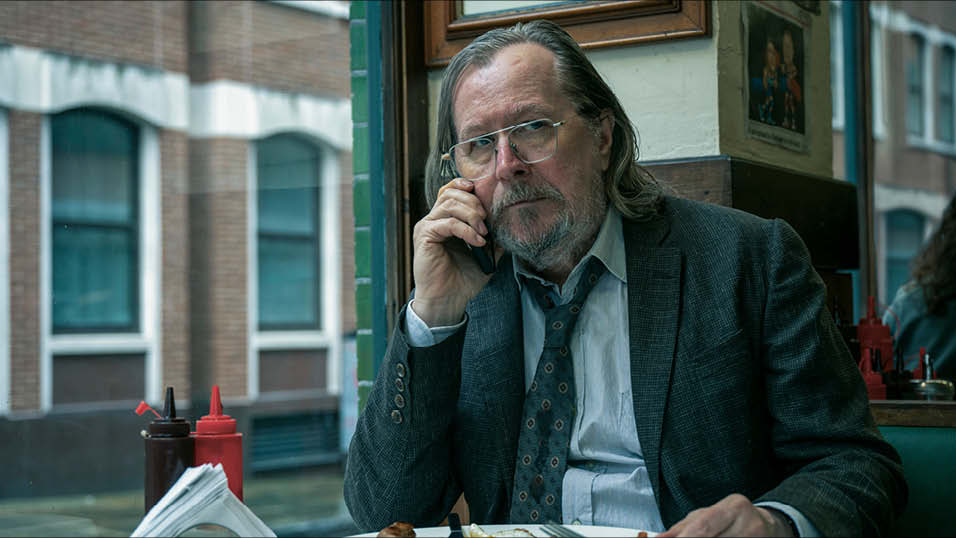
As for Alibi, Perry wants to broaden beyond police-led dead-body shows.
Bookish has played out really well and a second series is in the works. “The reason why we liked it is because it felt different: this period detective in a lavender marriage, and the fact that there’s a huge arc across that series about his gay lover. It was also a passion project for Mark Gatiss. “That was the show he really wanted to make. He wanted to write it, to star in it…When you’ve got talent in front of or behind the camera who love the show they get behind it in a way that is invaluable.”
“The audience loves the beats of the investigation and puzzle-solving, but there are more interesting ways to tell that type of story that doesn’t always have to be police-led.” She references medical investigations, like Malpractice. Or non-police frameworks like Code of Silence.
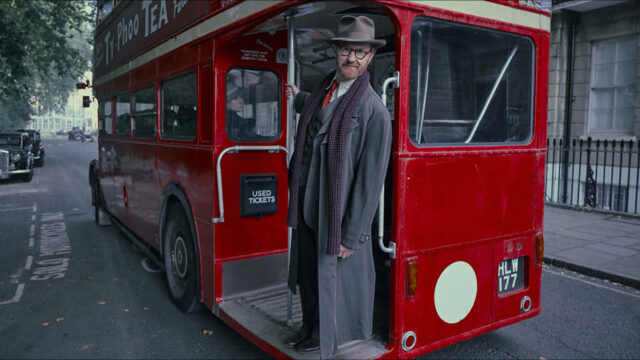
Bookish
Funding realities and honest conversations
Perry is frank about the challenges of financing scripted TV.
“International funding is tougher than ever, and budgets have inflated. But not everything needs to be five million an episode—absolutely not.”
UKTV’s tariffs sit below streamer, BBC and ITV levels. “From the very beginning when we’re talking to producers about ideas in the back of your head you’re going, ‘is this realistic? Is there a pathway to production?”
She stresses fairness to producers: “There’s no point in sitting across from a producer getting incredibly excited about a show that’s set in space..that’s going to require in its editorial bones a phenomenal budget to pull off.”
Partnerships with companies like BritBox, PBS Masterpiece, S4C and StudioCanal have expanded the financing mix, with recent UKTV dramas being made from £1m to £2m per episode.
Find out more about what the drama commissioners are looking for and the wider picture of demand for UK produced drama in the new issue of Televisual, out now in print, or available via our subscription site Televisual +
Pippa Considine
Share this story