The role of the Post Production Supervisor (PPS) has grown rapidly in recent years as production and post have become ever more complex, especially since the advent of 4K HDR digital cinematography and the streamers became major players in the UK market. But the role of the PPS, while part of the standard set up now for many productions, is still met with confusion by a good percentage of the production community. Jon Creamer reports
While the role of post production supervisor began life in the feature film market, it has now become a standard part of the set up for HETV drama and feature docs and is spreading further into factual TV and beyond. But there is often confusion in production teams as to what a Post Production Supervisor’s role is and why a PPS is necessary. And the role expectations vary considerably from feature film to documentary work, for example, with regard to workflows, colour pipelines, schedules and choice of post partners.
But for many productions, the value of the role has long been obvious.
“Post is being considered now at the concept stage. Shows have become increasingly complex and technical and need someone to closely manage the whole process,” says PPS Rami Sarras Pantoja (Dept. Q, Heartstopper).
PPS Steven Forrester (3 Body Problem, Who is Erin Carter?), says that “now the way the industry is set up, I can’t see how a show could function without a PPS because it’s become such a key role. If you took the post production supervisor out of the industry, a show or film would collapse at some point because you’ve suddenly removed that person that’s been overseeing so many elements.”
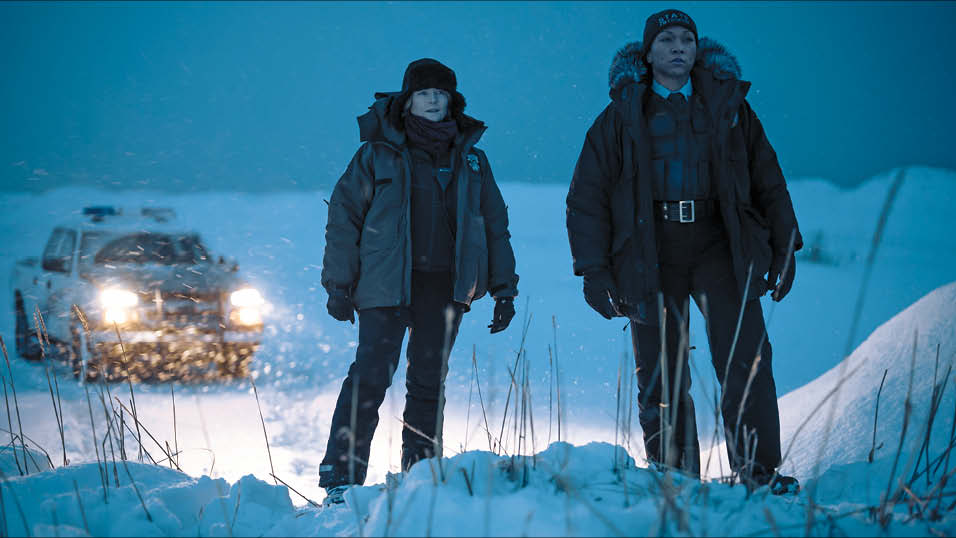
For post producer, Layla Blackman (True Detective: Night Country, Masters of the Air, Big Little Lies), getting the PPS involved early is key. “I always get brought on, whether it’s for Apple or Amazon or HBO, in prep ahead of the shoot to do early budgets and schedules and also to prep the dailies workflow and prep everything for post. It’s usually at least a month before the shoot and then I’m on the project all the way through to delivery.”
The PPS, says Blackman, needs to work with the whole team to make the process run smoothly. “You’re coming on board early and working with the producers, the line producers, the studio, to strategise about the best way to make the show. You’re looking at the budget and the schedule, you’re crewing up, you’re building the post production team and the systems that you want to have and where you’re going to be doing everything and how you’re going to be doing it all.
“It’s really important to come on board early so that you’ve got everything in place. So as soon as they wrap the shoot, you’re ready to go for post.”
But the PPS needs to be across everything during production too, she says. “We’re across all of the dailies workflow. The post team is the conduit in the middle of all of that. We’re liaising with camera, with sound, with script supervisors, with the production team, with the studio and we’re the ones that bring it all together and make sure that everyone’s aligned. We watch all the rushes along with assistant editors and the editors, because we’re looking for problems on the shoot that we can flag that might cause us an issue in post where it’s going to be really expensive to fix. Production is really busy, they’ve got a lot on their plates moving forward every day. So, it’s extra eyes on everything through the shoot phase.”
Jon Creamer
Share this story